
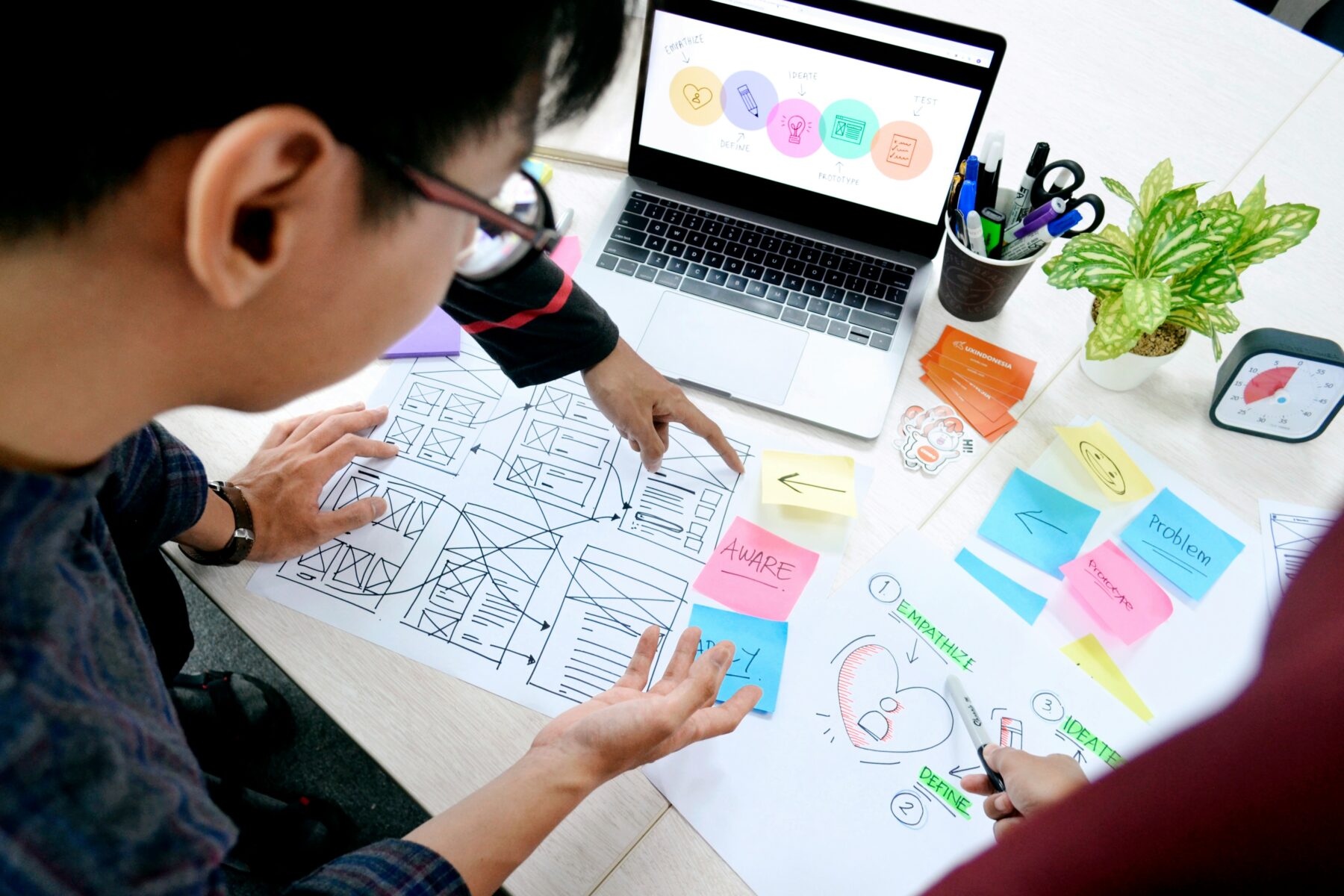
Web design is a crucial element in website development that focuses not only on aesthetics, but also on how the site functions and can be used by visitors. A good web design balances appealing visuals with a smooth user experience. In this article, we will discuss various aspects of web design, from basic principles to the latest trends that can help create effective and user-friendly websites.
1. Basic Principles of Web Design
Web design is not just about making pages look beautiful. There are several fundamental principles to consider so that a website is not only attractive, but also functional and accessible.
a. Readability
One of the main factors in web design is ensuring that content is easy to read. Choosing the right typeface, text size, and contrast between background and text is very important. Avoid fonts that are hard to read or text that is too small.
b. Visual Hierarchy
Visual hierarchy is how we arrange elements on a page so visitors can easily understand the information presented. The use of font size, color, and placement of elements like buttons or images helps indicate what is most important.
c. Consistency
Consistency in web design provides a better user experience. Using uniform colors, fonts, and design styles across all pages makes the site look more professional and easier to navigate.
d. Easy Navigation
Simple and intuitive navigation is key to a good user experience. Clear menus, logical URL structures, and easy-to-find navigation buttons help visitors explore your site effortlessly.
2. Responsive and Mobile-Friendly Design
With more users accessing websites via mobile devices, responsive design has become essential. Responsive design means the website automatically adapts to different screen sizes—desktop, tablet, or smartphone. This not only improves user experience but also impacts SEO rankings, as Google prioritizes mobile-friendly sites.
3. Website Speed
Page loading speed is a critical factor in web design. Users tend to leave sites that take too long to load. Therefore, it’s important to optimize images, minimize heavy scripts, and use caching to ensure fast performance. Good speed also contributes to better SEO and higher conversion rates.
4. User Experience (UX) and User Interface (UI)
UX (User Experience) and UI (User Interface) are closely related aspects of web design.
a. User Experience (UX)
UX focuses on how users feel when interacting with a website. A good UX design ensures that visitors can easily find information, complete desired actions, and feel satisfied throughout their journey. The UX process includes user research, prototyping, and usability testing.
b. User Interface (UI)
UI relates to the visual and interactive elements of a site, such as buttons, icons, and forms. Effective UI design ensures these elements are not only visually appealing but also easy to use, following principles like consistency, visual hierarchy, and readability.
5. Latest Web Design Trends
Web design continues to evolve alongside new trends and technologies. Some current popular trends include:
a. Minimalism
Minimalist design with plenty of whitespace and simple elements is increasingly popular. It focuses on clear content and easy navigation, creating a clean and focused experience.
b. Dark Mode
Dark mode gives users the option to switch themes for better visual comfort, especially in low-light conditions. Many modern websites now offer both light and dark themes.
c. Animation and Microinteractions
Animations and microinteractions add dynamic elements to websites. Subtle transitions, such as button effects or scrolling animations, make the experience more engaging without disrupting usability.
d. Card-Based Design
Card-based layouts, which organize content into boxes or cards, are widely used—especially in e-commerce and social media. This design helps structure content and improve readability.
6. Web Accessibility
Accessibility is an important but often overlooked aspect of web design. Ensuring your website is accessible to everyone, including people with disabilities, is key to creating an inclusive experience. Some ways to improve accessibility include:
- Providing alternative text (alt text) for images
- Ensuring sufficient color contrast for readability
- Enabling keyboard-friendly navigation
- Avoiding elements that may trigger sensory issues
7. Conclusion
Web design is not just about creating visually appealing websites, but also about ensuring users can interact with them easily and comfortably. By applying fundamental design principles, ensuring responsiveness, improving speed, and prioritizing user experience, you can create a website that is not only attractive but also effective and functional.
Web design trends continue to evolve, and as a designer or website owner, it’s important to stay updated with technology and user needs to keep your site relevant and competitive.
