
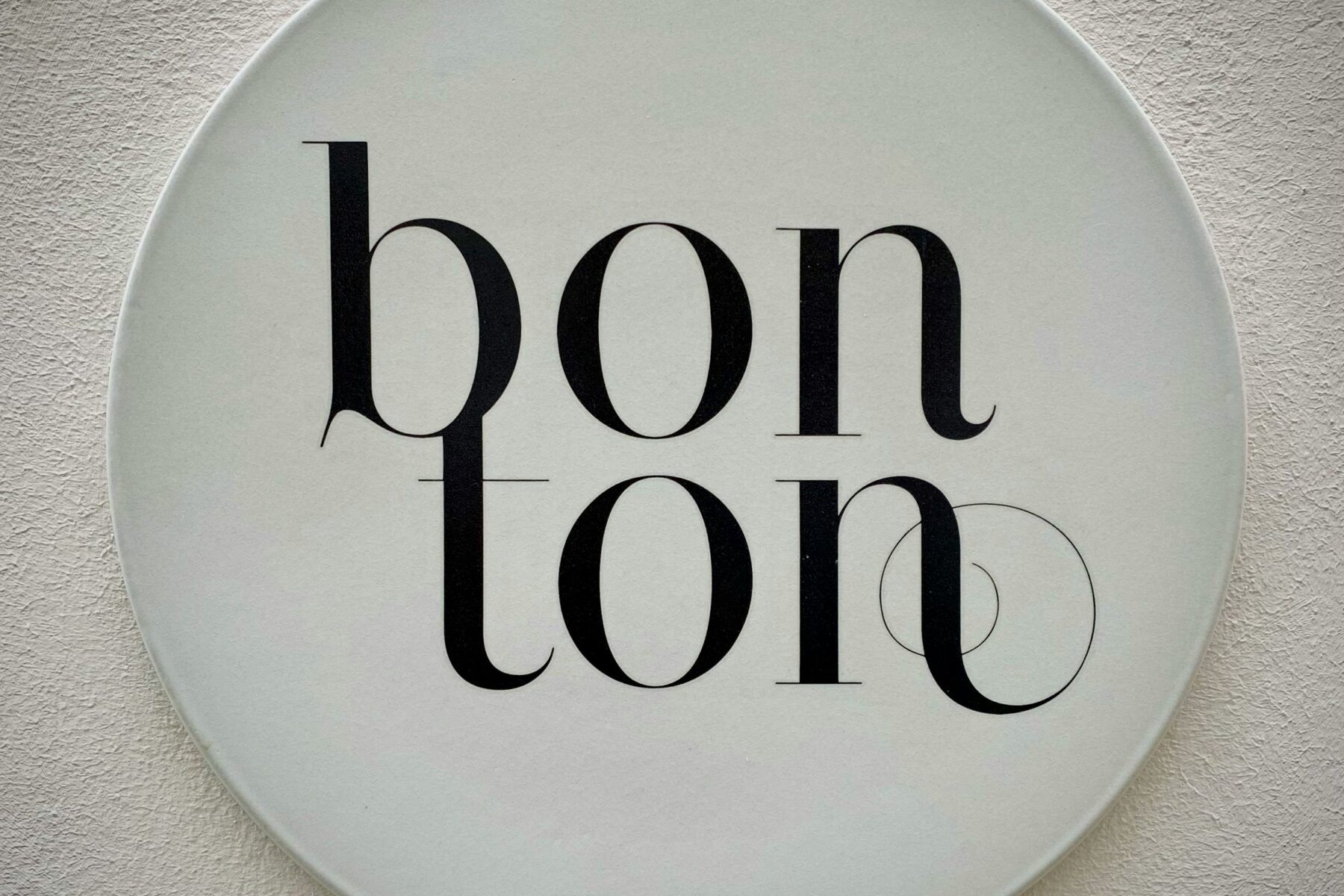
For many small business owners, creating a logo is often the first step in building a business identity. But an important question arises: does a logo need to be complicated and full of detail to look professional?
The short answer: no. An effective logo is often simple, memorable, and immediately reflects the character of the brand. Let’s dive deeper.
1. The Main Function of a Logo
A logo is not just an image or decoration. It serves as:
- Identity → a symbol that distinguishes your business from competitors.
- Communication → conveys values, vision, or industry.
- Trust → makes the business look serious and professional.
Real examples: big brands like Nike, Apple, or McDonald’s have simple logos, yet they build strong identities.
2. Myth: Complicated Logos = Professional Look
Many SMEs think logos with lots of detail, color gradients, or ornaments look cooler. In reality, overly complex logos:
- Are hard to read at small sizes (business cards, packaging, social media profiles).
- Are difficult for customers to remember.
- Lack flexibility across different media.
👉 Professionalism doesn’t come from complexity, but from relevance and consistency in design.
3. Simple but Meaningful
A simple logo can look professional if it is:
- Relevant → aligned with the business field.
- Consistent → matches brand colors and style.
- Timeless → not trapped in short-lived design trends.
Examples:
- The Nike swoosh is just a curved line, but full of meaning (movement, speed, energy).
- The Gojek logo is a simple circle symbol, instantly recognizable and usable across platforms.
4. Importance of Brand Alignment
A logo must support business identity. For example:
- Food SMEs → warm colors (red/orange) to stimulate appetite.
- Fashion SMEs → elegant, modern typography.
- Tech startups → simple geometric shapes with blue/teal tones for a professional feel.
5. A Good Logo is Flexible
SME logos should work across different uses:
- Digital media (website, Instagram, marketplace).
- Print (receipts, packaging, banners).
- Merchandise (stickers, t-shirts, bags).
Overly detailed logos often lose quality when printed small or in black-and-white.
6. Investing in Logo Design
Many SMEs still think logos aren’t that important. In fact, a logo is a long-term investment. A good logo can:
- Increase customer trust.
- Support consistent branding.
- Make a small-scale business look professional.
✅ Conclusion
SME logos don’t need to be complicated to look professional. What matters is:
- Simple yet meaningful.
- Relevant to the business.
- Flexible across media.
- Consistent with brand identity.
🚀 Instead of making a logo full of details, focus on strong simplicity that’s easy to remember. That way, your SME logo can look professional, classy, and build customer trust.
Would you like me to help craft a set of practical design guidelines SMEs can follow when briefing a designer, so they don’t end up with overly complex logos?
