
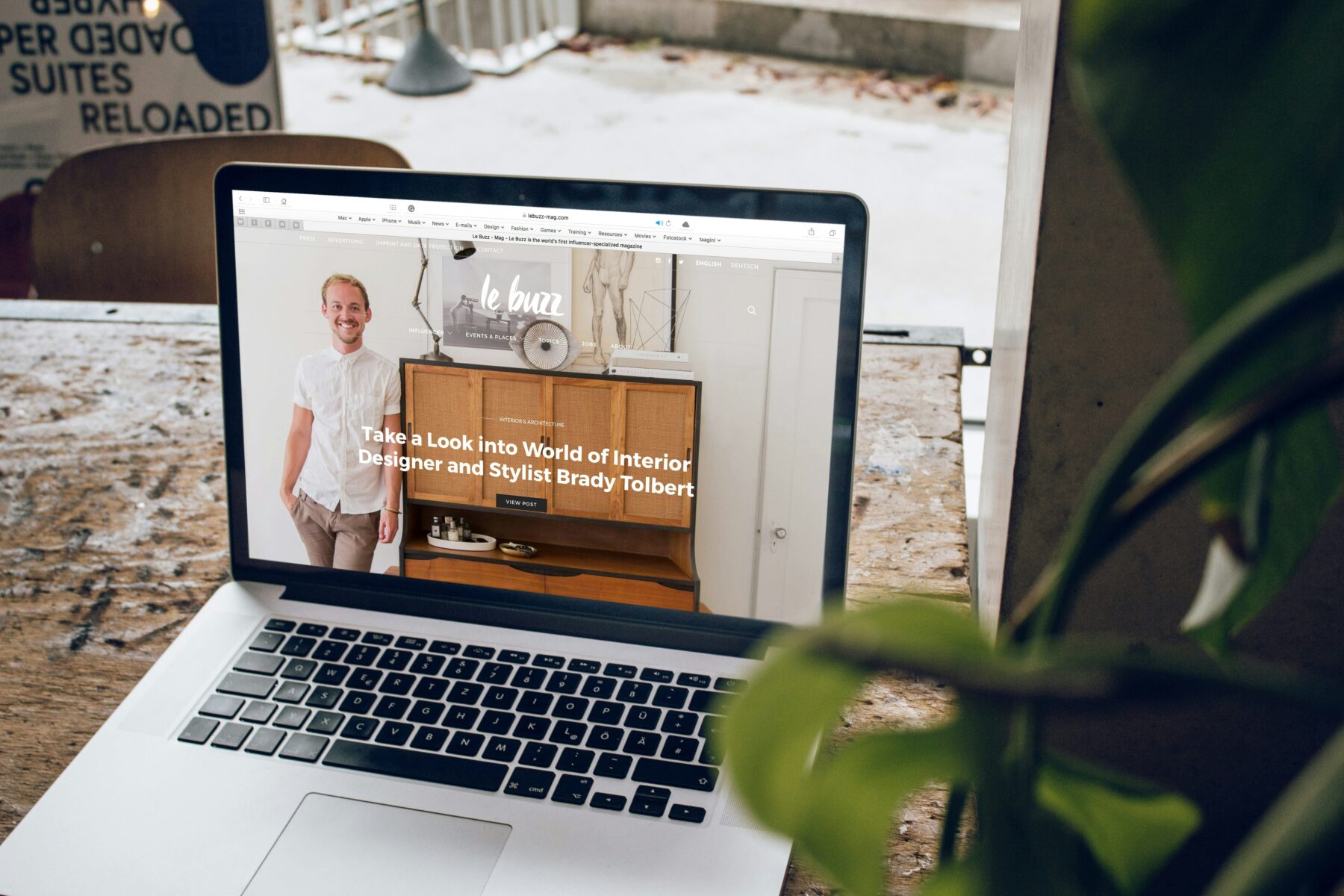
In the digital era, a website is often the first touchpoint where potential customers get to know your business. For SMEs and startups, this first impression is critical: professional or careless. A poorly made website can make potential customers hesitate—even before they try your product.
Here are 7 key characteristics of a professional website that can help small businesses compete with larger brands.
1. Clean and Consistent Design
- A professional website doesn’t have to be complex, but it should be neat, focused, and consistent
- Colors align with the brand and are not overly busy
- Fonts are easy to read
- Layout is consistent across all pages
💡 Tip: Use a maximum of 2–3 primary colors and 2 font types to maintain consistency.
2. Responsive on All Devices
More than 70% of users access the internet via mobile devices. A website that isn’t mobile-friendly will quickly drive visitors away. A professional website automatically adapts to mobile, tablet, and desktop screens.
💡 Quick test: Open your website on your phone. Is the text readable and are the buttons easy to tap?
3. Clear and Easy Navigation
Visitors should be able to find information within 2–3 clicks.
Messy menus or too many options can be confusing.
A common and effective structure:
- Home
- About Us
- Products/Services
- Blog/Articles
- Contact
4. Fast Loading Speed
A slow website frustrates users. Google even considers speed as an SEO ranking factor.
💡 Quick solutions:
- Compress images without sacrificing quality
- Use fast hosting
- Reduce heavy elements like autoplay videos
5. Easy-to-Find Contact Information
Potential customers don’t want to struggle to find your phone number or email.
Professional websites usually include:
- WhatsApp button or call-to-action in the header/footer
- Simple contact form
- Location map (if you have a physical store)
6. Relevant and Updated Content
A website that hasn’t been updated in years gives the impression that the business is inactive.
Fresh content (articles, promotions, portfolio, testimonials) shows that your business is active and growing.
💡 Quick idea: Post customer testimonials, recent project photos, or short tips related to your product.
7. Trust Elements
A professional website builds a sense of security and trust.
Examples of trust elements:
Security indicators (SSL/HTTPS)
Customer testimonials
Logos of brands or clients you’ve worked with
Certifications or awards
